
Titanium Resources
Technical guides, FAQ articles, application notes and reference tools for titanium procurement and specification work.
Buyer Reference
Titanium Weight Calculator
ToolCalculate titanium bar, sheet, tube and wire weights by shape, grade and dimensions.
Grade Comparison
GuideCompare common titanium grades by chemistry, mechanical values and applications.
Technical Guides and FAQ
 Technical Guide
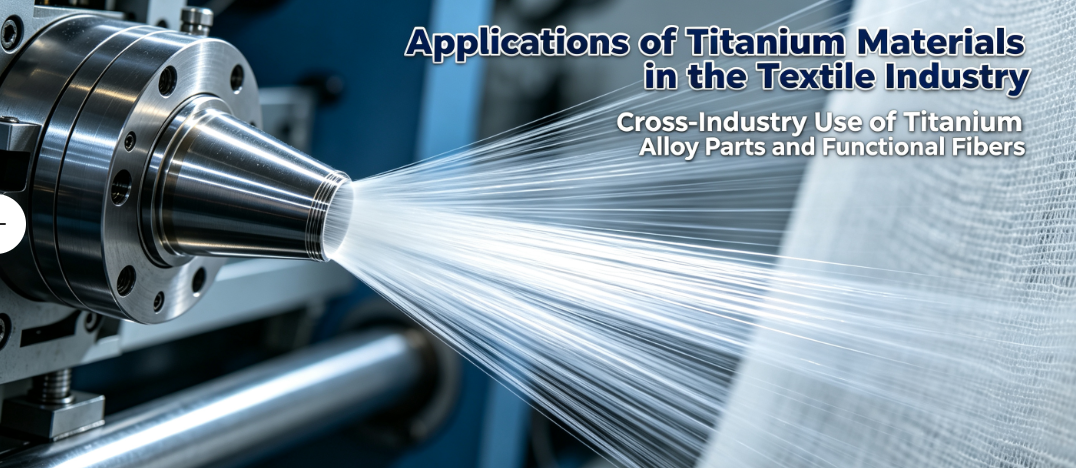
Applications of Titanium Materials in the Textile Industry
Titanium materials serve the textile industry in two major forms: solid titanium alloy components for textile machinery and titanium-based functional additives (mainly titanium dioxide) for fiber and fabric production. This guide explains the wide use of titanium in spinning, weaving, dyeing-finishing and functional textile manufacturing, covering corrosion resistance, UV shielding, antibacterial and self-cleaning benefits.
 Technical Guide
Advantages of Titanium Fasteners for Motorcycles
Titanium fasteners have become a popular upgrade for motorcycle enthusiasts and OEM manufacturers. This article explains the core benefits of titanium bolts, comparing them to steel and stainless steel, covering weight reduction, corrosion resistance, strength and thermal performance in motorcycle applications.
 Technical Guide
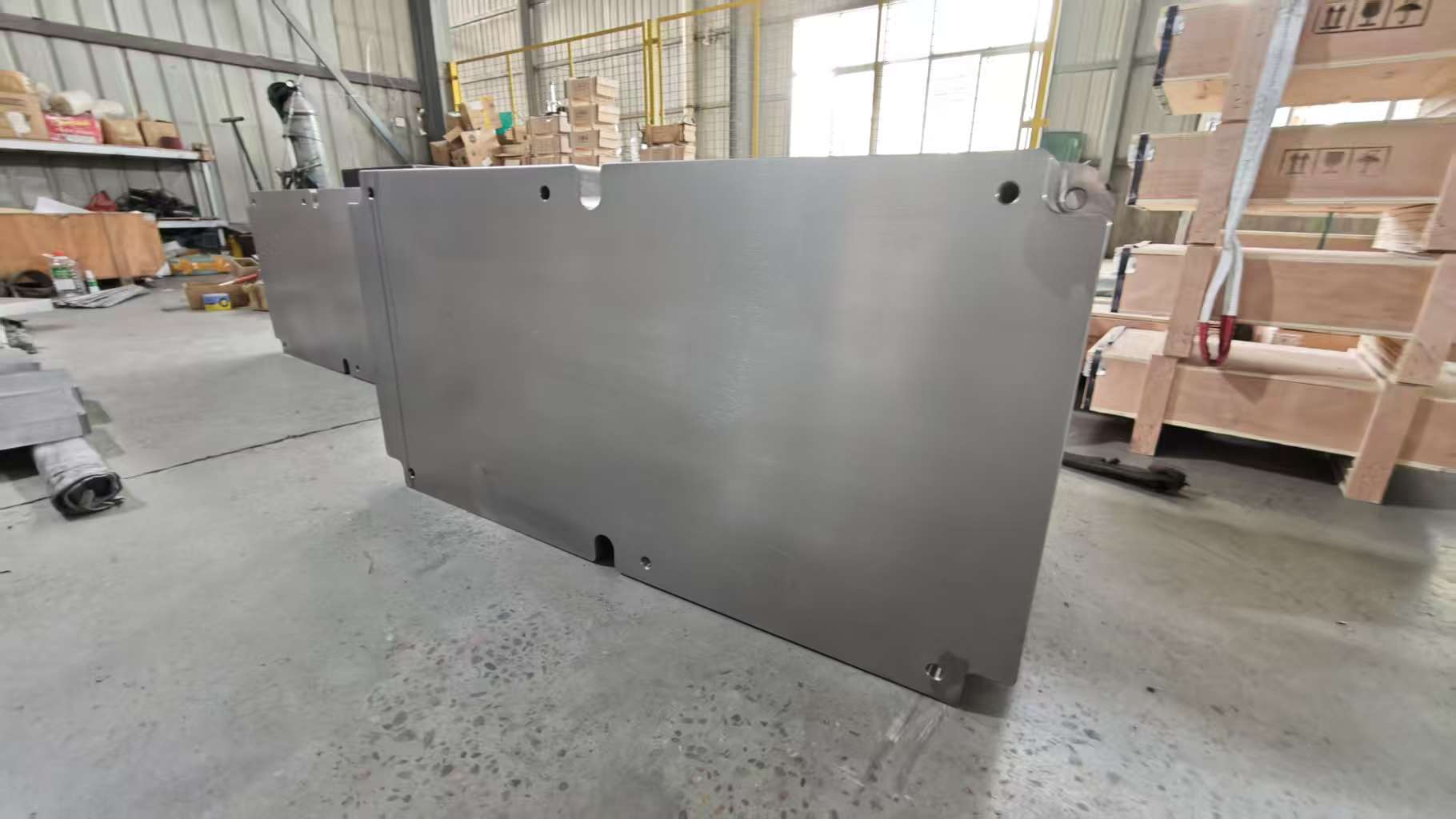
Titanium Substrates: Key Industries & Application Overview
Discover the major industries that rely on titanium substrates. Learn the unique advantages of titanium substrate material, typical working requirements and grade selection guidance for semiconductor, 3D printing, new energy and other high-tech sectors.
 Technical Guide
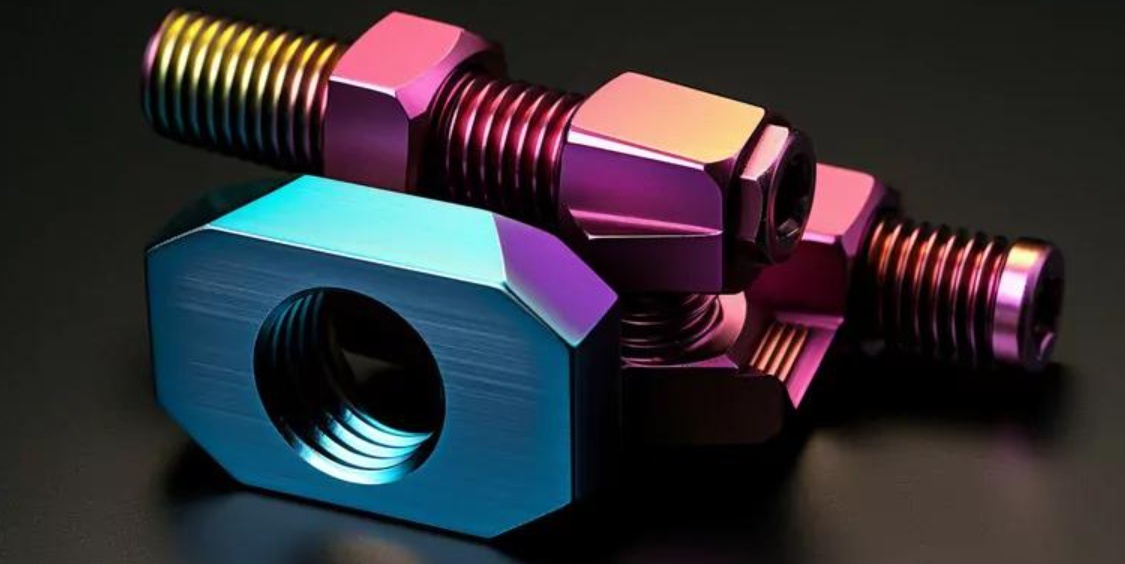
Advantages of Titanium Fasteners
Titanium fasteners feature high strength‑to‑weight ratio, superior corrosion resistance and non‑magnetic properties. Learn their core benefits, grade options and industrial application tips for engineering procurement.
 Technical Guide
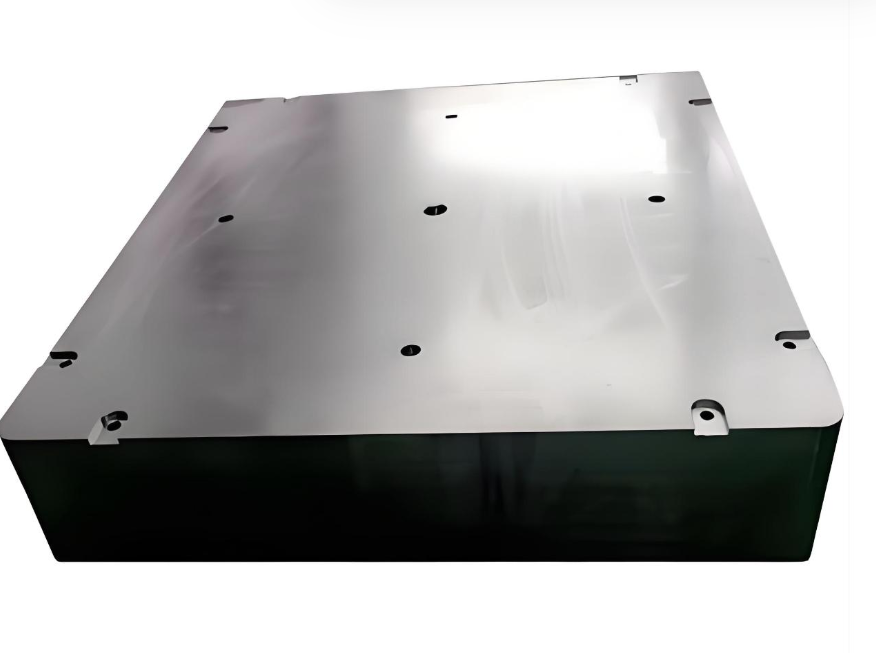
Titanium Build Plate vs Stainless Steel Build Plate for Metal 3D Printing
When working with SLM and EBM metal 3D printing, choosing the right build plate directly affects print yield, part quality and powder purity. Many manufacturers start with stainless steel build plates, yet titanium substrates bring unique advantages for titanium‑alloy printing projects. This guide compares titanium build plates against stainless‑steel alternatives, covering thermal‑expansion matching, iron‑contamination risks, service life, and application scenarios for aerospace, medical implant and research‑lab additive‑manufacturing. Understand when you should switch to titanium build plates for your metal 3D‑print workflow.
 Technical Guide
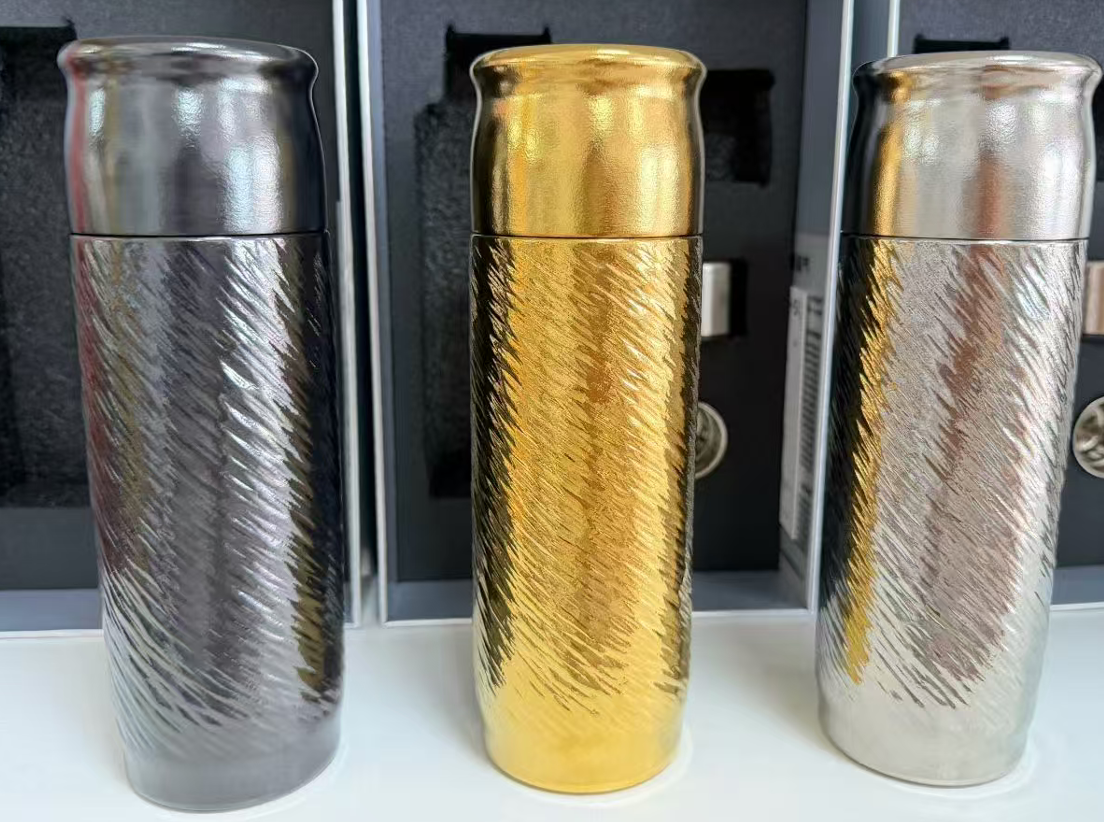
Complete Guide: Advantages of Titanium Water Bottles vs Stainless‑Steel
Discover the core advantages of pure titanium water bottles compared to stainless‑steel options. Learn about corrosion resistance, taste neutrality, weight benefits and hypoallergenic features for daily, outdoor and beverage use.
 Technical Guide
Complete Guide to Titanium Pen Holders
Titanium pen holders deliver lightweight, rust‑proof, premium‑grade desktop storage for pens and stationery. Explore TA1, TA2, TC4 grade selection, surface finishes, benefits and procurement tips for solid & hollow titanium pen holders.
 Technical Guide
Complete Guide to Titanium Grades: Titanium for Door Access Control Cards
Titanium and titanium alloys are widely used for metal access‑control cards, key cards and smart door cards. Learn TA1, TA2, TC4 material selection, surface treatment, advantages and practical procurement tips for titanium door access cards.
 Technical Guide
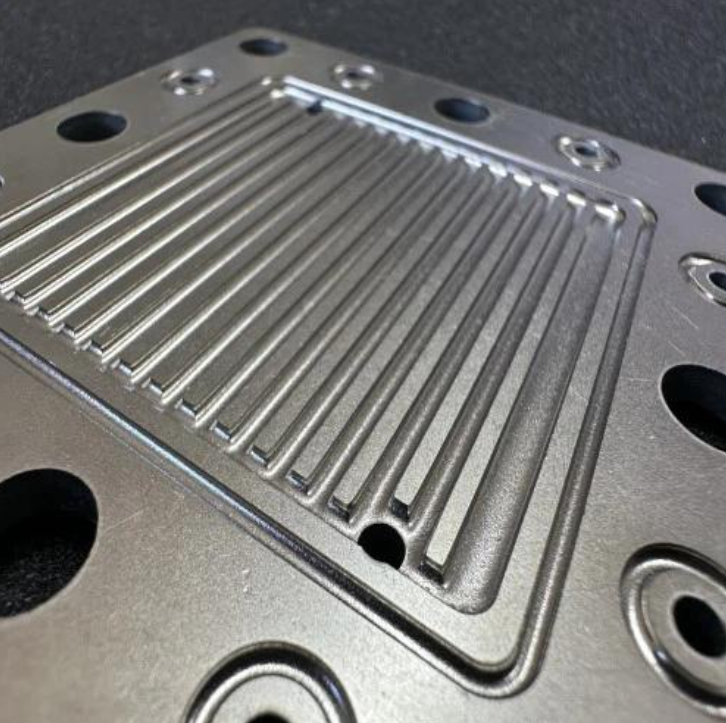
Titanium Materials Applications in Energy‑Storage Industry
Discover titanium applications for grid‑scale energy‑storage, including redox flow battery components, titanium foil, bipolar plates, piping & structural parts for long‑duration energy‑storage systems。
 Technical Guide
Titanium Applications in Semiconductor Industry
Learn key titanium applications in the semiconductor industry, including high‑purity titanium sputtering targets and precision‑machined titanium components for etching, PVD, wafer handling and wet‑cleaning processes.
 Technical Guide
Titanium Alloys for UAV & Drone Manufacturing: Advantages, Grades & Applications
Discover the applications of titanium alloys in UAV and drone industry. Learn material strengths, suitable titanium grades, typical drone components, manufacturing processes and market prospects for surveillance, industrial and marine unmanned aerial vehicles.
 Technical Guide
What Is The Application Prospect of Titanium Alloys in Humanoid Robot Industry
Explore the application prospect of titanium alloys for humanoid robots. Learn core driving factors, existing limitations, short-term and long-term market trends of titanium structural parts in the humanoid robotics industry.
 Technical Guide
Titanium Alloys for Humanoid Robots: Materials, Advantages & Key Applications
Discover why titanium alloys including Ti-6Al-4V are ideal lightweight structural materials for humanoid robots. Learn material benefits, typical robot components, grade selection and manufacturing solutions for robotic joint frames, skeletons and actuator parts.
 Material Comparison
Complete Guide: Advantages of Titanium Motorcycle Brake Pads
Want to upgrade your motorcycle brakes? Learn all core advantages of titanium motorcycle brake pads, including lighter weight, anti-fade braking, corrosion resistance and longer service life. Compare titanium pads with semi-metallic, organic and ceramic brake pads to pick the best friction material for street, commuter and track riding.
 Applications
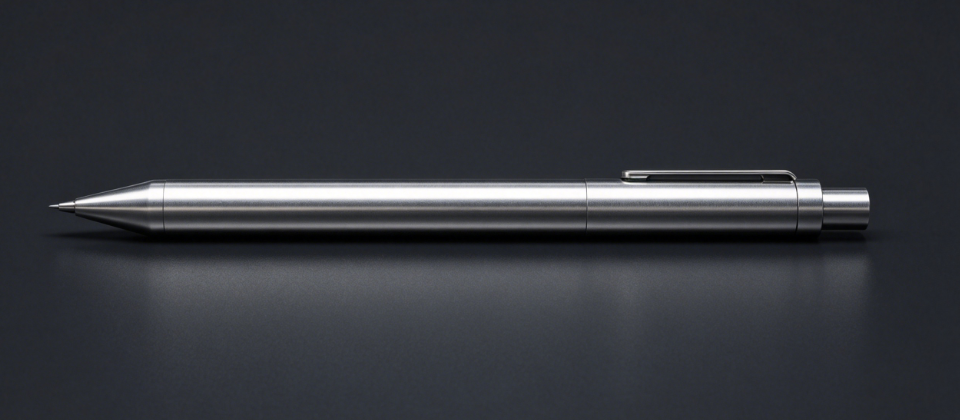
Titanium Pen Barrel Applications: Why Premium Pen Brands Choose Titanium Pen Tubes
Explore wide applications of Grade 2 & Grade 5 titanium pen tubes for luxury stationery, tactical EDC pens, medical injection pens. Learn titanium barrel advantages, CNC custom processing & factory supply solutions for global pen manufacturers.
 Technical Guide
Thermal Conductivity of Titanium: Properties, Comparison and Industrial Uses
Titanium has moderate thermal conductivity compared to copper, aluminum and stainless steel, but offers a unique balance of heat transfer, corrosion resistance and high-temperature stability for industrial heat exchangers and process equipment.
 Applications
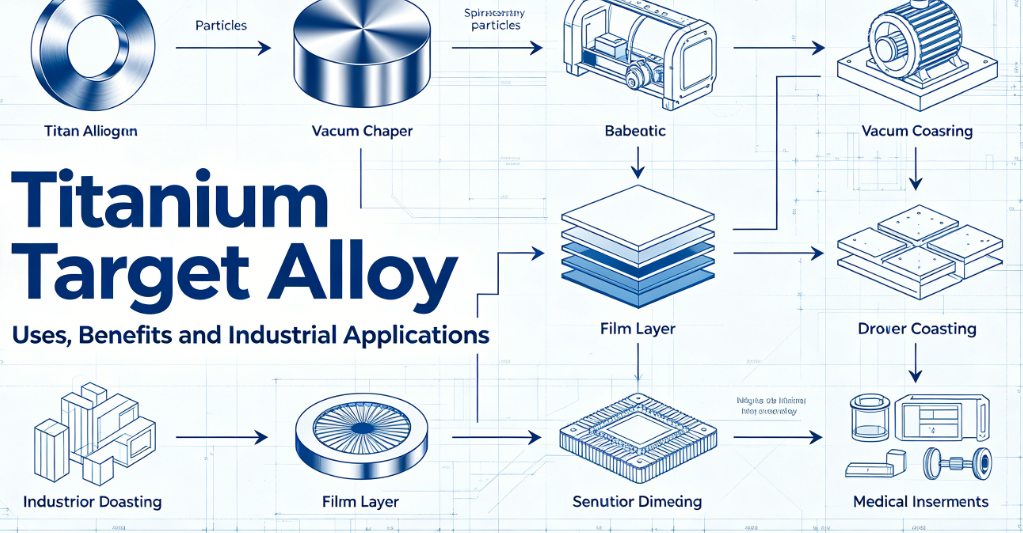
Titanium Target Alloy: Uses, Benefits and Industrial Applications
Titanium target alloys are widely used in sputtering, PVD coating, aerospace components, medical devices, and industrial surface treatment due to their high strength, corrosion resistance and excellent film-forming properties.
 Technical Guide
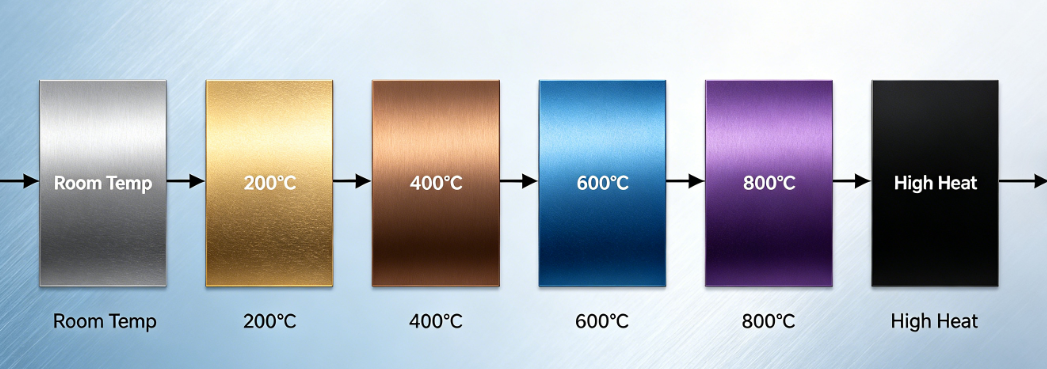
Titanium Color at Different Temperatures: Oxidation Colors and Applications
Titanium develops different colors at different temperatures due to oxide layer formation. This guide explains titanium oxidation colors, temperature effects, and their use in industrial design, jewelry, and material identification.
 Technical Guide
Titanium in Aquaculture: Corrosion Resistant Equipment for Seawater Farming
Titanium is increasingly used in seawater aquaculture due to its excellent corrosion resistance, lightweight strength, and long-term reliability in fish farms, tanks, piping, and seawater handling systems.
 Technical Guide
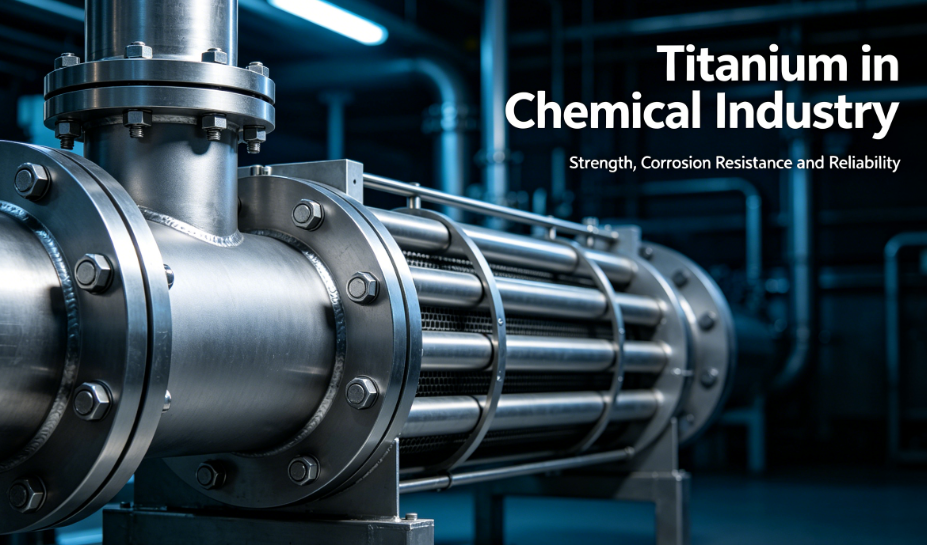
Titanium in Chemical Industry: Corrosion Resistance, Applications and Buying Guide
Titanium plays a critical role in the chemical industry, offering excellent corrosion resistance, high strength, and long-term reliability for reactors, heat exchangers, pipelines, and storage tanks.
 Procurement
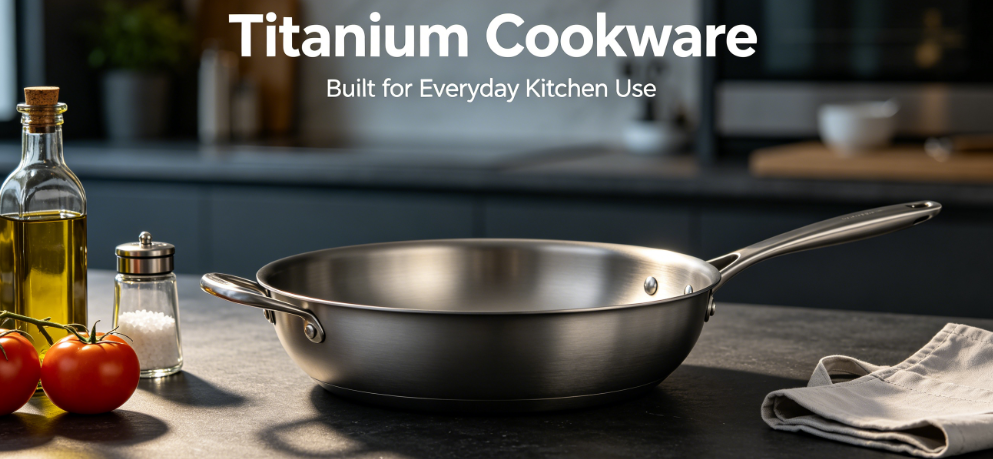
Titanium Cookware: Benefits, Comparison and Buying Guide
Titanium cookware offers a lightweight, durable, and non-toxic alternative to traditional stainless steel, aluminum, and non-stick pans. Learn its benefits, safety considerations, and how to choose titanium pots for modern kitchens.
 Procurement
Titanium Insulated Cups: Benefits, Comparison and Buying Guide
Titanium insulated cups combine lightweight durability, corrosion resistance, and vacuum insulation for everyday coffee, tea, and travel use. Learn how they compare with stainless steel, plastic, and ceramic options.
 Procurement
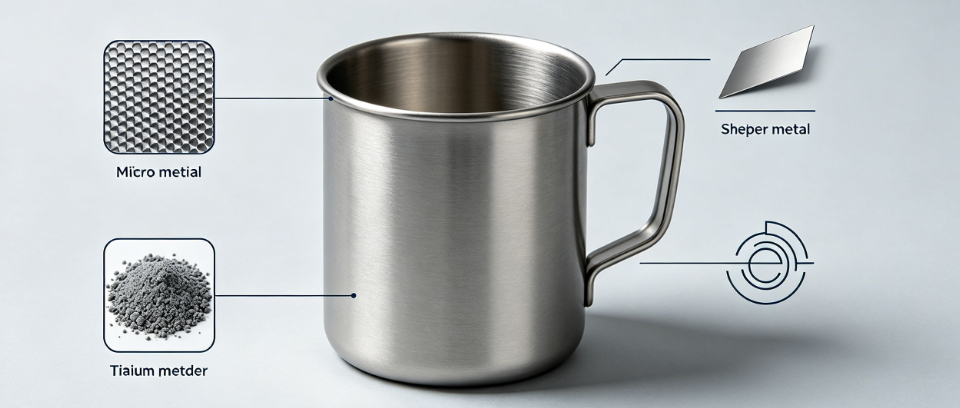
Titanium Cups: Benefits, Types, and Buying Guide for Everyday Use
Titanium cups offer a lightweight, durable, and corrosion-resistant alternative to stainless steel, plastic, and ceramic drinkware. Learn their key benefits, common types, material grades, and what to consider before buying.
 Applications
Complete Guide to Titanium Grades: A Buyer’s Reference for Industrial Applications
A complete guide to titanium grades, from commercially pure titanium to high-performance alloys. Learn their properties, ASTM standards, and how to select the right grade for aerospace, medical, marine, and 3D printing applications.
 Technical Guide
Titanium Welded Tube: The Ultimate Choice for High-End Industrial Applications
In industries requiring extreme material performance, titanium welded tubes outperform stainless steel and aluminum. Discover their core advantages, key specifications, and applications in aerospace, marine, medical, and petrochemical fields.
 Titanium Insights
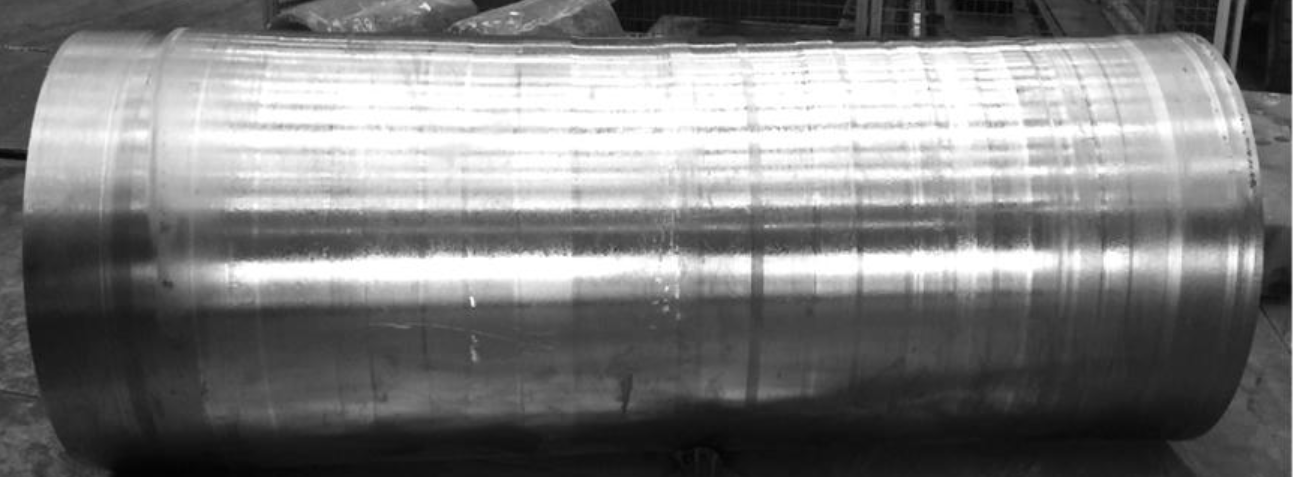
Full List of Titanium Manufacturers in the USA: Key Players & Capabilities
A comprehensive list of titanium manufacturers in the USA, highlighting key players, their capabilities, and what buyers need to know. Includes technical notes for titanium buyers on product selection, processing, and quality documentation workflows.
 FAQ
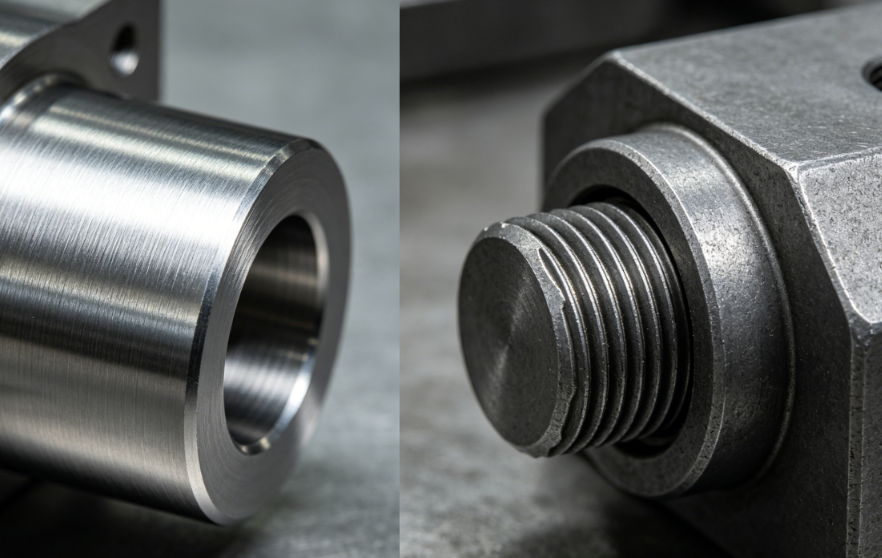
FAQIs Titanium Magnetic? Understanding Titanium’s Non-Magnetic Properties
A practical CNBJTI answer to "Is titanium magnetic?", exploring its non-magnetic nature and why it's ideal for MRI-safe applications. Includes buyer-focused notes on grade, processing, certification, and key RFQ details.
 Material Comparison
Is Titanium Stronger Than Steel? Breaking Down the Strength-to-Weight Tradeoff
A buyer-friendly comparison of titanium vs steel strength, breaking down the strength-to-weight ratio and performance trade-offs. Includes cost factors and specification checks for material selection.
 FAQ
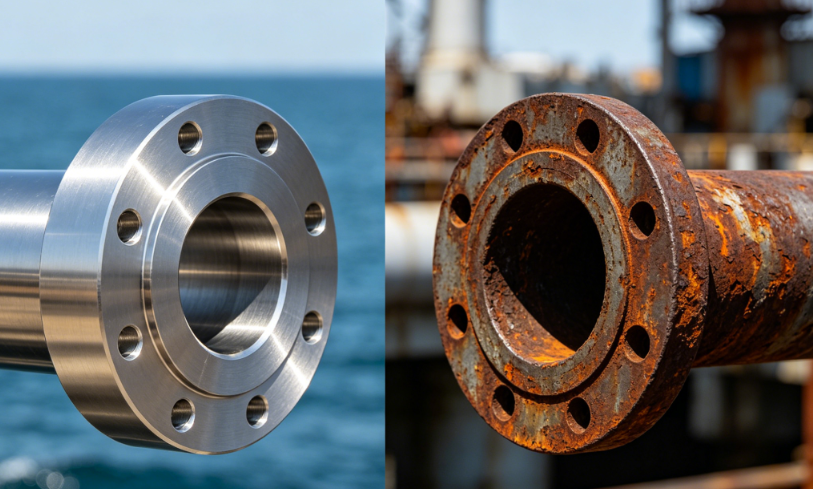
FAQDoes Titanium Rust? Understanding Titanium’s Corrosion Resistance
A practical CNBJTI answer to "Does titanium rust?", exploring its natural corrosion resistance and why it outperforms other metals. Includes buyer-focused notes on grade, processing, certification, and key RFQ details.
 FAQ
FAQCan Titanium Weld? Everything You Need to Know About Titanium Welding
A practical CNBJTI answer to "Can titanium weld?", exploring the challenges, techniques, and best practices. Includes buyer-focused notes on grade, processing, certification, and key RFQ details.
 FAQ
FAQWhat Is Titanium Used For? A Complete Guide to Its Key Applications
A practical CNBJTI answer to "What is titanium used for?", exploring its diverse applications across industries. Includes buyer-focused notes on grade, processing, certification, and key RFQ details.
 Applications
The Application of Titanium in Medicine: A Comprehensive Guide
A detailed look at how titanium grades and alloys are used in medicine, including their unique properties and applications. Includes notes on material selection, corrosion resistance, fabrication, and documentation for buyers.
 FAQ
FAQHow Titanium Forged Axles Revolutionize High-Performance Vehicles
A practical CNBJTI answer to "How titanium forged axles revolutionize high-performance vehicles", exploring their benefits, performance gains, and key buyer considerations. Includes notes on grade, processing, certification, and RFQ details.
 Titanium Insights
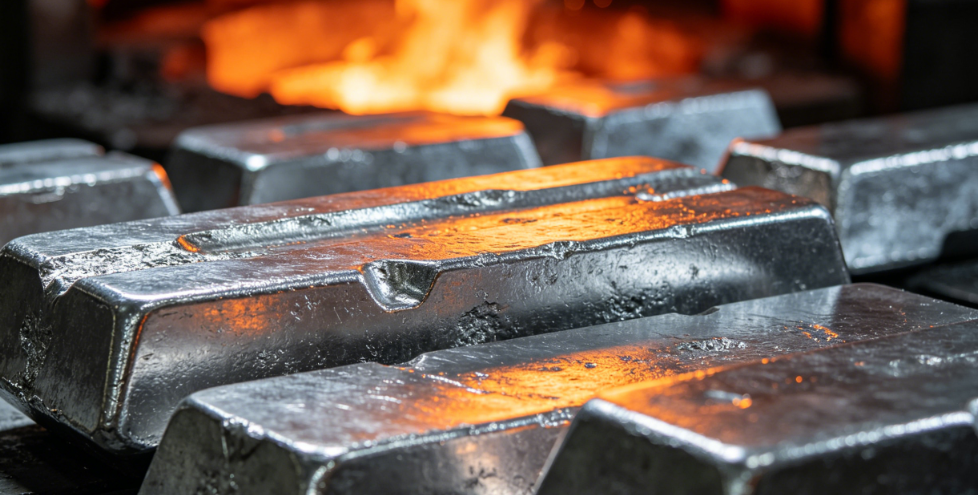
Exploring the Characteristics of Titanium: Melting Point, Properties, and Key Traits
A deep dive into the key characteristics of titanium, including its melting point, mechanical properties, and unique traits. Includes technical notes for buyers on product selection, processing, and quality documentation workflows.
 FAQ
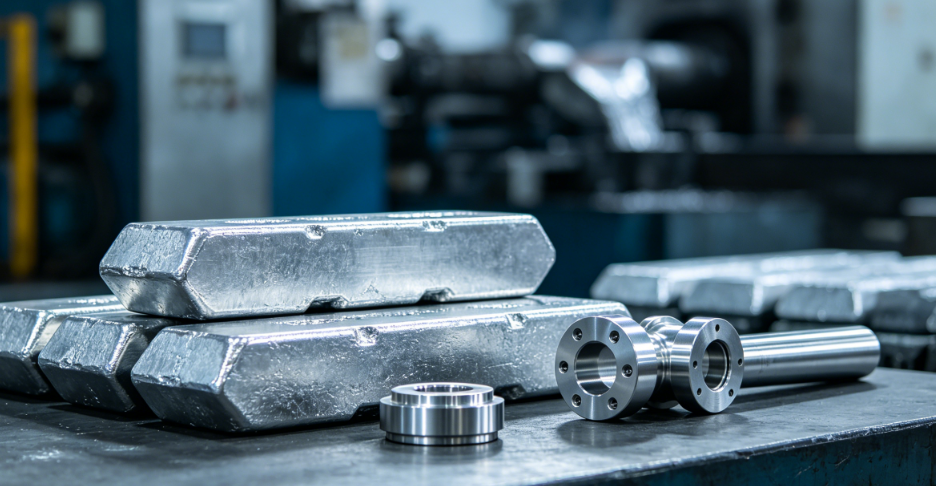
FAQWhy Titanium Commands High Prices: The Real Cost Drivers Explained
A practical CNBJTI answer to "Why titanium is so expensive", breaking down the production process, material, and quality factors that drive its high price. Includes buyer-focused notes on grade, processing, certification, and key RFQ details.
 Material Comparison
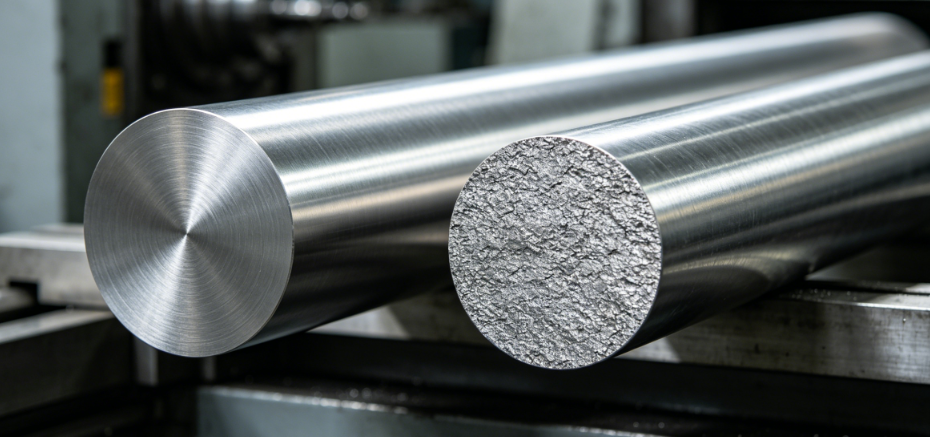
Titanium vs. Stainless Steel: Machinability, Durability, and Key Differences
A buyer-friendly comparison of titanium vs. stainless steel, covering machinability, durability, and key performance trade-offs. Includes cost factors and specification checks for material selection.