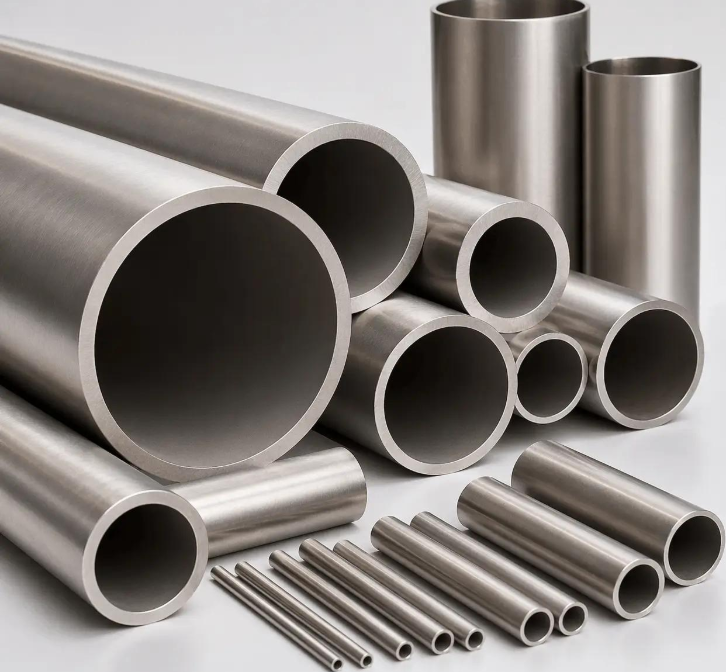
High‑sulfur (sour), high‑salinity formation water and process media are among the most destructive environments for metallic materials. Chloride ions cause pitting and crevice corrosion, while hydrogen sulfide (H₂S) triggers sulfide stress cracking (SSC). Ordinary carbon steel, stainless steel and even duplex steel often suffer rapid failure in these harsh conditions. Titanium and its alloys stand out as a proven material solution for such severe corrosive service.
The Core Mechanism: Self‑Repairing Passive Oxide Film
The fundamental corrosion resistance of titanium comes from an ultra‑thin, stable passive TiO₂ film that instantly forms on its surface when exposed to trace oxygen or water.
This dense oxide layer is chemically inert against chloride, brine and weak acid;
If the film gets scratched, abraded or damaged, it regenerates immediately in an oxidizing environment;
Unlike stainless steel, titanium’s passive layer is not easily broken down by high concentrations of chloride ions, which is the key reason it resists saltwater corrosion.
This inherent property forms the foundation for its use in high‑salinity brine, seawater and produced water systems.
Performance in High‑Sulfur Sour Service (H₂S Environment)
Pure titanium cannot be used for all sour conditions directly. Only specially formulated titanium alloys meet the requirements of NACE MR0175 / ISO 15156, the global standard for sour oil and gas service.
Grade 12 (Ti‑0.3Mo‑0.8Ni / TA10):The most widely accepted titanium grade for sour service. Molybdenum and nickel alloying elements stabilize the passive film under reducing, H₂S‑containing brine, resisting sulfide stress cracking. It is the primary selection for high‑sulfur gathering pipelines and process piping.
Grade 7 (Ti‑0.15Pd):Palladium‑stabilized titanium, offering excellent corrosion resistance in reducing acidic sour brine, used for more aggressive wellhead process circuits.
Grade 2 (CP Titanium / TA2):Excellent for high‑salinity oxidizing brine, but not recommended for reducing sour H₂S service without full qualification testing.
When properly selected and controlled for hardness, qualified titanium alloys avoid SSC, which is the main failure mode of steel in sour fields.
Advantages Compared With Other Corrosion‑Resistant Alloys
High chloride tolerance:Resists pitting and crevice corrosion in saturated brine, far superior to 316L and duplex stainless steel.
No chloride stress corrosion cracking:Stainless steel is prone to cracking in hot salt water; titanium does not have this failure mode.
Stable performance at moderate elevated temperature:Maintains passivation in the temperature range common for oilfield produced fluids.
Low maintenance and long service life:Reduces frequent inspection, replacement and shutdown risk for remote well sites and subsea facilities.
Important Engineering Limitations (Critical for Buyers & Engineers)
Titanium is not universally immune to all corrosion. These limits must be considered during material selection:
It needs a small amount of oxygen to maintain the passive film. In fully oxygen‑free strong reducing acid environments, corrosion rates will rise.
Galvanic isolation is mandatory when titanium connects directly to carbon steel or low‑alloy steel, to prevent accelerated corrosion of the less noble metal.
Sour service titanium components must follow NACE MR0175 requirements, including heat treatment and hardness control. Material test certificates (EN 10204 3.1 / 3.2) are required for project acceptance.
Titanium is vulnerable to ignition and contamination during welding, requiring strict inert gas shielding.
Summary
Titanium’s self‑healing passive oxide layer gives it outstanding resistance to chloride and high‑salinity corrosion. With proper grade selection such as Grade 12 and Grade 7, titanium alloys achieve NACE MR0175 compliance and can operate safely in high‑sulfur sour working conditions.
While the upfront cost is higher than carbon steel, titanium greatly reduces leakage, cracking and replacement risks in harsh corrosive oil and gas fields, delivering a favorable total lifecycle cost.
Contact our engineering team for grade selection guidance, ASTM specifications and quotation for your sour & high‑salinity corrosion projects.
Technical Guide5 min read·2026-10-22
Why Titanium Is Suitable for High-Sulfur, High-Salinity & Highly Corrosive Working Conditions
Learn why titanium alloys perform reliably in high‑sulfur, high‑salinity and heavily corrosive environments. Understand passive film mechanism, qualified titanium grades for sour service, NACE MR0175 compliance and engineering limits for oil & gas applications.