Introduction
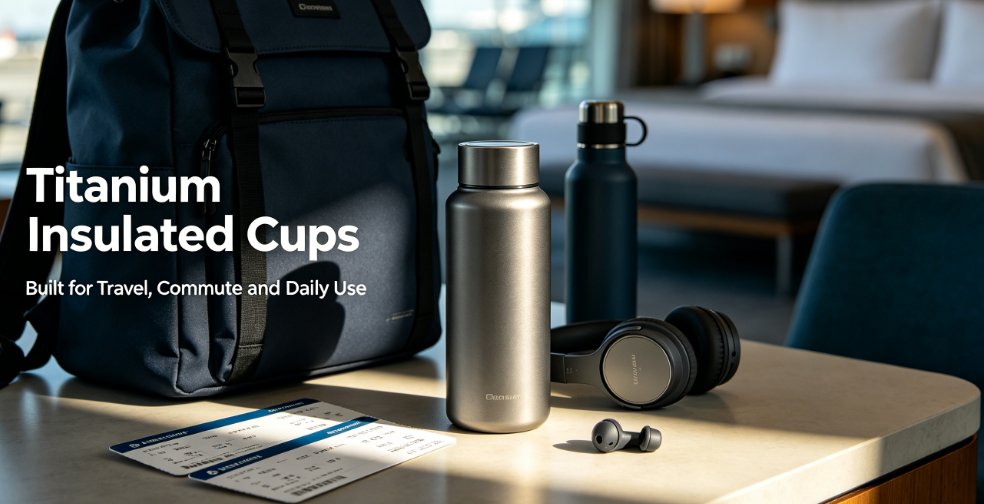
Titanium insulated cups are a modern choice for people who want durable, lightweight, and temperature-retentive drinkware. Whether for daily commuting, office coffee, outdoor travel, or long trips, these cups offer a combination of material performance and practical design.
Unlike standard stainless steel thermoses, titanium insulated cups often provide a lighter feel, strong corrosion resistance, and a premium metal appearance. This guide covers their main benefits, how they compare with other materials, and what to look for when buying.
1. What Are Titanium Insulated Cups?
Titanium insulated cups are drinkware products made primarily from titanium or titanium alloys, with a double-wall vacuum structure designed to retain temperature. They are commonly used for hot coffee, tea, and cold water, as well as for beverages that require stable temperature over time.
The key advantage of titanium is that it is both strong and lightweight. Compared with stainless steel, titanium has a higher strength-to-weight ratio, which means manufacturers can create cups that feel solid without being unnecessarily heavy.
2. Core Benefits of Titanium Insulated Cups
Lightweight Portability
One of the most noticeable benefits is weight reduction. Titanium insulated cups are often lighter than stainless steel thermoses of similar capacity, making them easier to carry in bags, backpacks, or travel kits.
Good Temperature Retention
Most titanium insulated cups use a double-wall vacuum design. This structure helps reduce heat transfer, keeping hot drinks warmer and cold drinks colder for longer periods. For office workers, travelers, and outdoor users, this is an important practical feature.
Corrosion Resistance
Titanium naturally forms a stable oxide layer on its surface, which helps protect the cup from water, beverages, and daily wear. This makes titanium insulated cups suitable for long-term use, especially in environments where drinkware is frequently exposed to moisture and temperature changes.
Durable and Long-Lasting
Titanium is known for its strength and resistance to deformation. Titanium insulated cups are generally more durable than plastic, ceramic, and some glass drinkware options. They can better withstand daily use, accidental bumps, and frequent travel.
Less Metallic Aftertaste
Many users choose titanium cups because they help preserve the original taste of beverages. Titanium surfaces are often smoother and less reactive than some other metals, which can be beneficial for drinking coffee, tea, and water.
3. Titanium Insulated Cups vs. Other Materials
Titanium vs. Stainless Steel
Stainless steel insulated cups are widely available and generally more affordable. However, titanium cups are usually lighter and may offer better corrosion resistance and a more premium feel. For users who prioritize portability and material quality, titanium can be a better choice.
Titanium vs. Plastic
Plastic cups are lightweight and low-cost, but they may not be as durable or temperature stable as titanium. Titanium insulated cups are more suitable for long-term daily use, especially when users want to avoid plastic concerns.
Titanium vs. Ceramic
Ceramic cups look clean and elegant, but they are fragile and not ideal for travel. Titanium insulated cups are much more suitable for commuting, outdoor activities, and situations where the cup needs to be carried regularly.
Titanium vs. Glass
Glass cups are visually clean and do not easily affect taste, but they are heavy and breakable. Titanium offers better impact resistance and portability, making it more practical for mobile use.
4. Common Applications
Office and Daily Commute
Titanium insulated cups are suitable for office use because they keep coffee and tea at a stable temperature throughout the morning or afternoon. Their clean appearance also fits well in professional environments.
Travel and Business Trips
For frequent travelers, weight and durability matter. Titanium insulated cups are easier to pack and carry, and they can handle daily use in hotels, airports, and meeting rooms.
Outdoor Activities
Hiking, camping, and fishing users often prefer lightweight equipment. Titanium insulated cups can help reduce carry weight while still providing reliable temperature retention.
Coffee and Tea Lovers
People who drink coffee or tea throughout the day may benefit from a cup that maintains temperature and preserves flavor. Titanium’s smooth surface and low reactivity make it a good choice for these beverages.
5. Buying Considerations
Check the main material: Confirm whether the cup body is made of titanium, titanium alloy, or titanium-plated material. Solid titanium products usually offer better durability and corrosion resistance.
Look for vacuum insulation: Double-wall vacuum construction is essential for temperature retention.
Consider capacity: Common capacities include around 300 ml, 400 ml, 500 ml, and larger travel sizes. Choose based on daily drinking habits.
Check lid and seal design: A good lid should be leak-resistant, easy to open, and simple to clean.
Evaluate weight and grip: The cup should feel comfortable in the hand and not add unnecessary weight during travel.
Check cleaning requirements: Removable lids, wide openings, and smooth inner surfaces make daily cleaning easier.
Conclusion
Titanium insulated cups are a strong choice for anyone looking for lightweight, durable, and temperature-retentive drinkware. They perform well in office, travel, and outdoor scenarios, and they offer a premium alternative to stainless steel, plastic, ceramic, and glass cups.
When buying a titanium insulated cup, focus on material quality, vacuum insulation, capacity, lid design, and ease of cleaning. By selecting the right product, users can enjoy a more comfortable drinking experience over the long term.
Procurement5 min read·2026-06-15
Titanium Insulated Cups: Benefits, Comparison and Buying Guide
Titanium insulated cups combine lightweight durability, corrosion resistance, and vacuum insulation for everyday coffee, tea, and travel use. Learn how they compare with stainless steel, plastic, and ceramic options.