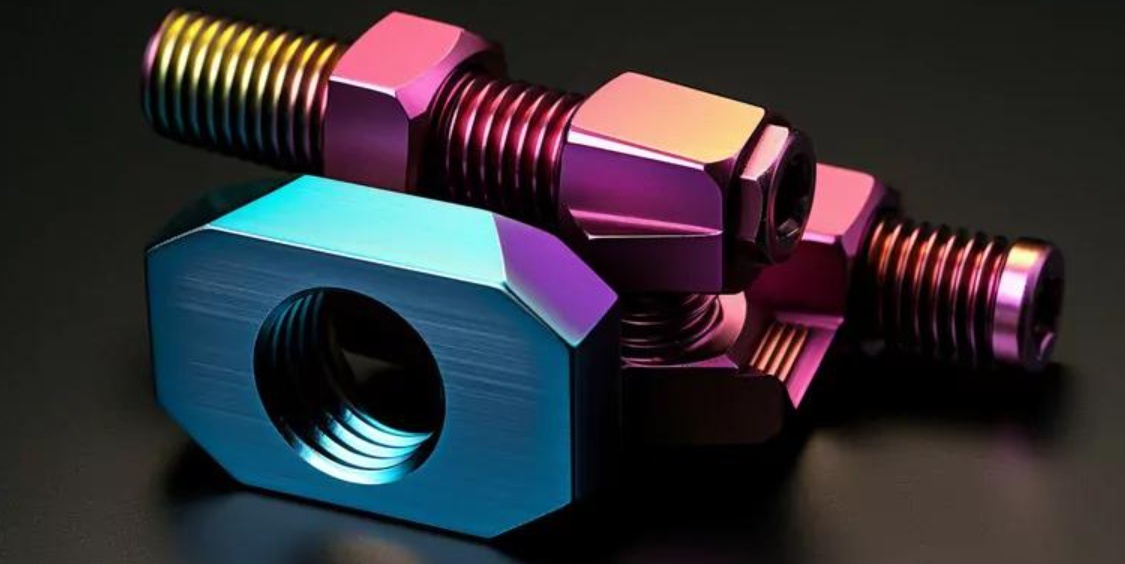
Titanium fasteners including bolts, nuts, screws and studs are widely used in aerospace, marine, semiconductor, new‑energy and chemical processing industries. Compared with carbon steel and stainless steel fasteners, titanium hardware delivers unique material advantages for critical‑equipment assembly.
High Strength‑to‑Weight Ratio
Titanium offers strength comparable to alloy steel while being around 40% lighter.
By switching to titanium fasteners, engineers can cut overall component weight without sacrificing structural safety. This lightweight performance brings prominent value for aviation hardware, transportation facilities and mobile energy equipment.
Excellent Corrosion Resistance
Titanium generates a self‑repairing passive oxide film when exposed to oxygen.
It performs reliably in salt‑spray, coastal marine, chloride‑rich, mild acid and alkali environments. Titanium fasteners resist rust and pitting corrosion, which commonly troubles carbon steel and ordinary stainless steel. For most working scenarios, extra anti‑rust coating is not required, lowering later‑period maintenance workload.
Stable Performance in Wide Temperature Range
Titanium fasteners maintain stable mechanical properties under cryogenic low‑temperature conditions as well as moderate high‑temperature surroundings.
During repeated hot‑cold alternation cycles, titanium shows good anti‑creep performance, effectively reducing risks of fastener loosening and failure.
Non‑magnetic Property
Titanium is non‑magnetic. Titanium fasteners will not produce magnetic interference.
This characteristic makes them irreplaceable for semiconductor production lines, precision sensors and medical instruments where magnetic disturbance must be strictly avoided.
Good Biocompatibility
Titanium material is non‑toxic and biocompatible with human tissues.
Titanium fasteners are popular choices for medical implant devices and healthcare‑related hardware.
Long Service Life & Optimized Comprehensive Cost
Benefiting from outstanding corrosion resistance, titanium fasteners own much longer service cycles.
Although titanium has higher upfront purchase cost than steel, fewer replacements and less downtime maintenance help customers cut total project operating costs in the long run.
Key Limitations for Procurement Reference
Higher raw‑material cost versus carbon steel and regular stainless steel
Threading and machining require specialized processing techniques
Not recommended for long‑term service under extreme high‑temperature oxidation environment
Common Grades for Titanium Fasteners
GR2 / TA2 (Pure Titanium) : Outstanding corrosion resistance, preferred for marine and chemical equipment.
GR5 / TC4 (Titanium Alloy) : High‑strength alloy grade, widely adopted in aerospace and mechanical structural parts.
Procurement Tip: Always verify ASTM standards and EN 10204 3.1 material certificates before bulk orders.
Technical Guide5 min read·2026-09-08
Advantages of Titanium Fasteners
Titanium fasteners feature high strength‑to‑weight ratio, superior corrosion resistance and non‑magnetic properties. Learn their core benefits, grade options and industrial application tips for engineering procurement.