Introduction
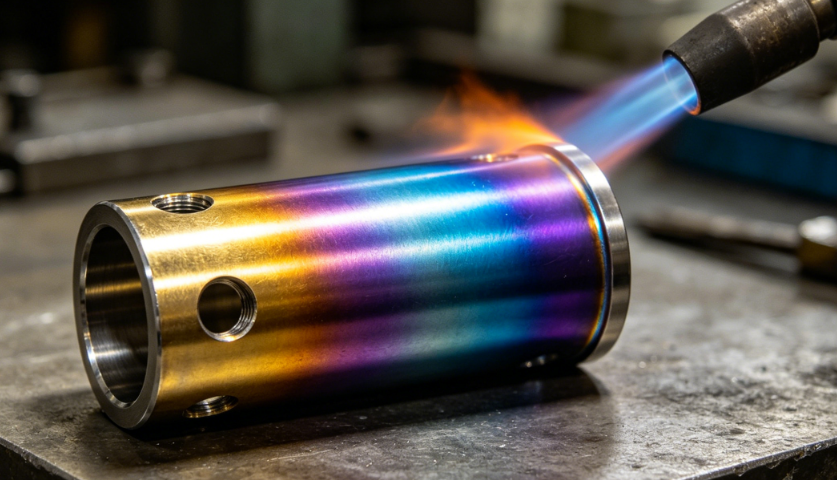
Flame treating titanium is a popular method to create vibrant, heat-induced colors on the metal’s surface. The process works by heating titanium, which forms a thin, transparent oxide layer. The thickness of this layer determines the color, resulting in shades of gold, blue, purple, and even rainbow hues.
This step-by-step guide will walk you through the process, including safety precautions, tools, and pro tips to achieve consistent, beautiful results.
Safety First: Critical Precautions
Before you begin, it’s essential to prioritize safety:
Work in a well-ventilated area: The process produces fumes that can be harmful if inhaled.
Wear protective gear: Heat-resistant gloves, safety glasses, and a fire-resistant apron are a must.
Keep a fire extinguisher nearby: Titanium is highly flammable when in fine powder form, so ensure your work area is clear of flammable materials.
Never overheat the metal: Excessive heat can weaken the titanium or cause it to catch fire.
Tools You’ll Need
Titanium piece (Grade 2 or 5 work best)
Propane torch (or a butane torch for smaller pieces)
Steel wool or fine-grit sandpaper
Isopropyl alcohol and lint-free cloths
Heat-resistant work surface (ceramic tile or fire brick)
Tweezers or pliers to hold the piece
Step-by-Step Flame Treatment Process
Step 1: Prepare the Titanium Surface
The key to vibrant colors is a clean surface.
Use fine-grit sandpaper (400-600 grit) or steel wool to remove any oxidation, oil, or fingerprints.
Wipe the piece thoroughly with isopropyl alcohol to remove all contaminants. Even a small amount of oil can ruin the finish.
Step 2: Secure the Titanium
Clamp or hold the titanium piece with tweezers, leaving a small area exposed to the flame. Avoid touching the part you want to color, as oils from your skin can contaminate it.
Step 3: Apply Heat Evenly
Light the torch and hold it 2-4 inches away from the titanium. Start with a soft, reducing flame (the blue cone of the flame should not touch the metal).
Move the torch in slow, circular motions to distribute the heat evenly. Do not focus the flame on one spot for too long, as this can cause uneven coloring or overheating.
Step 4: Observe the Color Changes
As the titanium heats, the oxide layer will grow, and the color will change:
Pale gold: Appears at lower temperatures (around 200-300°C).
Deep gold and bronze: Develop as the temperature rises.
Blue and purple: Form at higher temperatures (around 400-500°C).
Gray or white: These colors indicate overheating. If you see them, remove the heat immediately.
Step 5: Cool the Piece
Once you achieve the desired color, remove the flame and let the titanium cool slowly on a heat-resistant surface. Quenching it in water can cause the color to crack or peel, so air cooling is recommended.
Pro Tips for Perfect Results
Practice on scrap pieces: Before treating your final project, test the process on a scrap piece of the same grade of titanium to get a feel for the heat and color changes.
Control the heat: The key to consistent colors is controlling the temperature. A cooler flame produces lighter colors, while a hotter flame creates deeper hues.
Avoid touching the surface: Even after cleaning, touching the titanium with your bare hands can leave oils that cause uneven coloring.
Consider the grade: Grade 5 titanium (Ti-6Al-4V) may require slightly more heat than Grade 2 due to its higher strength and alloy composition.
Common Mistakes to Avoid
Overheating: This is the most common mistake. Overheating can cause the titanium to discolor unevenly, become brittle, or even catch fire.
Contaminated surfaces: Oils, grease, or fingerprints will create blotchy, uneven colors. Always clean the piece thoroughly before starting.
Uneven heating: Focusing the flame on one spot for too long creates hot spots with different colors. Move the torch constantly for even results.
Conclusion
Flame treating titanium is a rewarding way to add a unique, colorful finish to your projects. By following these steps and safety precautions, you can achieve vibrant, long-lasting colors. Remember to practice on scrap pieces, work slowly, and prioritize safety. With a little patience, you’ll be creating beautiful, custom-colored titanium parts in no time.
FAQ4 min read·2026-06-10
How to Flame Treat Titanium: Step-by-Step Techniques and Pro Tips
A practical CNBJTI guide to "How to Flame Treat Titanium: Step-by-Step Techniques and Pro Tips", covering safety, tools, and how to achieve vibrant oxide colors. Includes grade-specific considerations, processing best practices, certification notes, and key RFQ details for titanium projects.